
September 04, 2026
SEC Proposes New Cryptocurrency Rules: Regulation Crypto Assets





-
 Jomarie T. Andrews
-
 Jack Anetakis
-
 Marc A. Angelone
-
 Mackenzie B. Arnold
-
 James J. Barriere
-
 Jeff D. Bernarducci
-
 Thomas Bhisitkul
-
 Lindsey Peterson Black
-
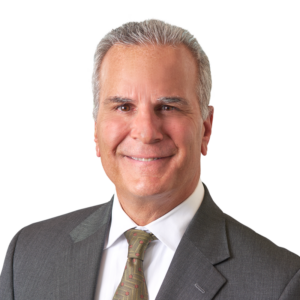 Leon C. Boghossian III
-
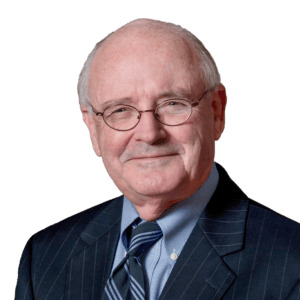 Alan C. (Peter) Brandt, Jr.
-
 Rebecca F. Briggs
-
 Christine K. Bush
-
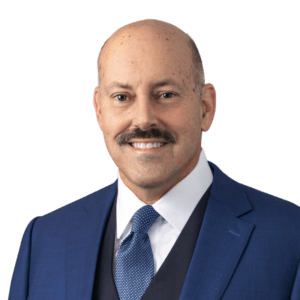 Nestor Bustamante, III
-
 Alexandra K. Callam
-
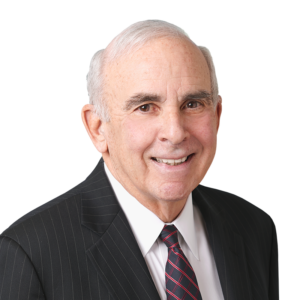 Stephen J. Carlotti
-
 Christopher H.M. Carter
-
 Steven D. Catanach
-
 Nancy Fisher Chudacoff
-
 Ronald D. Ciotti
-
 Jared Cohane
-
 Isabella Colapietro Pagliarini
-
 Rose Athena Collins
-
 John P. Connelly
-
 David Barry Connolly
-
 Michael J. Connolly
-
 Luke R. Conrad
-
 Timothy T. Corey
-
 David A. DeBassio
-
 Karen G. DelPonte
-
 Cassandra T. Desjourdy
-
 Christine E. Dieter
-
 Lynne Barry Dolan
-
 Garrison L. Doodlesack
-
 Jennifer V. Doran
-
 Mitchell R. Edwards
-
 Eric F. Eisenberg
-
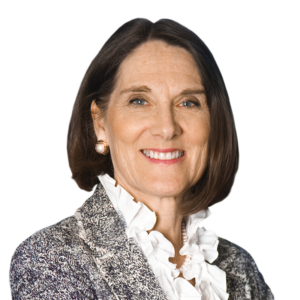 Margaret D. Farrell
-
 Elizabeth R. Farrenkopf
-
 Christopher V. Fenlon
-
 Robert E. Ferencik, Jr.
-
 Robert T. Ferguson, Jr.
-
 William S. Fish, Jr.
-
 Amanda J. Ford
-
 Gabriel M. Franca
-
 Shera G. Golder
-
 Jordana L. Goldstein
-
 Andrea L. Gomes
-
 Brandy R. Harty
-
 M. Ann Hatch
-
 David S. Hirsch
-
 Timothy S. Hollister
-
 Stephen J. Holmes
-
 Kelley A. Jordan-Price
-
 David R. Josephs
-
 Chris Kelly
-
 Kirsten E. Kenney
-
 Meaghan L. Krupa
-
 Isha Kumar
-
 Stephanie J. Larkin
-
 John A. LeBlanc
-
 Antonino M. Leone
-
 Joel Lewin
-
 Ira L. Libanoff
-
 Doris J. Licht
-
 David I. Lough
-
 Scott R. MacNeil
-
 Thomas W. Madonna, Jr.
-
 Kathleen M. Mahan
-
 Robin L. Main
-
 Thomas S. Marrion
-
 Peter J. Martin
-
 Tyler R. Martin
-
 Antonio D. Martini
-
 Mackenzie C. McBurney
-
 Christopher J. McCarty
-
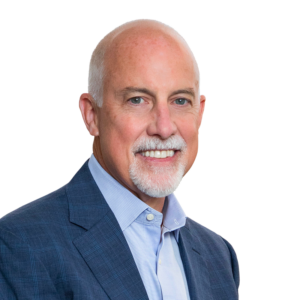 Mark S. McCue
-
 Charles R. McGonigal
-
 Scott A. McQuilkin
-
 Alexa T. Millinger
-
 Jeffrey J. Mirman
-
 Julia G. Mitrano
-
 Andrew R. Morin
-
 Christopher W. Morog
-
 Bridget L. Mullaney
-
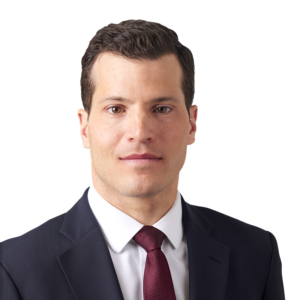 John R. Pariseault
-
 Seth M. Pasakarnis
-
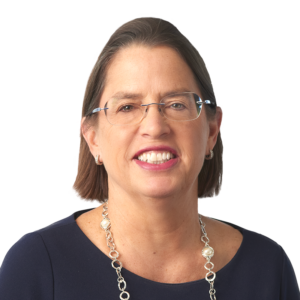 Michelle R. Peirce
-
 Janelle A. Pelli
-
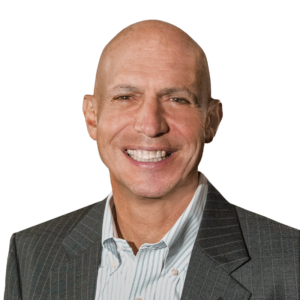 Gerald J. Petros
-
 Tracy Beckham Phipps
-
 Damien Powell
-
 Adam M. Ramos
-
 Olivia Rayburn
-
 Jacqueline F. Redmond
-
 Jessie M. Reniere
-
 Lynn E. Riley
-
 Patrick A. Rogers
-
 Arnold Rosenblatt
-
 David J. Rubin
-
 Edward “Ned” Sackman
-
 Craig M. Scott
-
 B. Stephanie Siegmann
-
 William F. Sinnott
-
 Jeremy M. Smith
-
 John H. Sokul, Jr.
-
 Lisa P. Staron
-
 Jack Steele
-
 Micaylee Rhae Stoddard
-
 Christopher H. Suh
-
 Andrew C. Tedder
-
 Brian E. Tierney
-
 Ana E. Tovar
-
 Madeline M. Ursini
-
 Jessica Y. Wang
-
 Christopher B. Wiezbicki
-
 Nancy R. Wilsker
-
 Merredith A. Young
-
 Timothy M. Zabbo
-
 Lisa A. Zaccardelli